Japan has just smashed its own records, and the numbers tell a story far more interesting than just crowded subways in Shibuya. According to the latest 2025 preliminary data from the Japan Tourism Agency, inbound spending has skyrocketed to a staggering 9.5 trillion yen—a 16.4% jump from last year. But as someone who has called this archipelago home for a decade, I see something deeper beneath these headlines.
We aren’t just seeing more people; we are seeing a fundamental shift in how people experience Japan.
The Rise of the “High-Value” Wanderer
While the total number of visitors hit 42.7 million, the real headline is the spending power of those seeking quality over quantity. For the first time, Germany has taken the top spot for per-capita spending, with the average traveler shelling out over 394,000 yen ($2,600+) per trip. Close behind are the British and Australians.
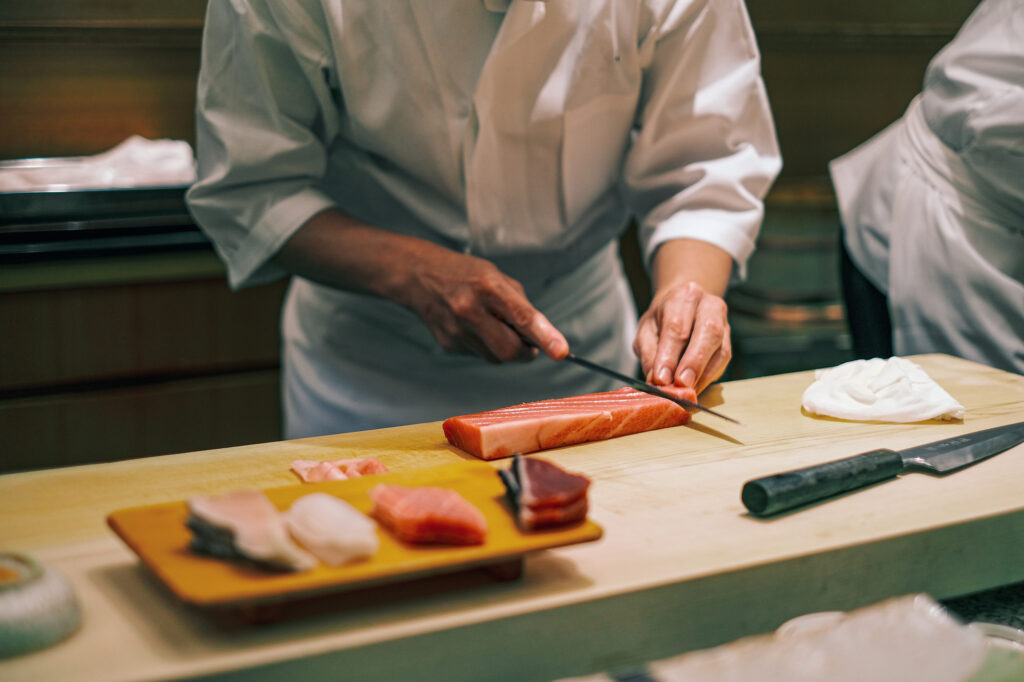
What are they buying? It isn’t just suitcases full of electronics. The data shows a significant lean toward accommodation (36.6%) and dining (21.9%). This suggests that today’s traveler is trading the “quick selfie” for a slow-cooked multi-course kaiseki meal in a 200-year-old ryokan. They are investing in the atmosphere of Japan.
Why Germany and the West are Leading the Charge
You might wonder why European and Australian travelers are suddenly the biggest spenders. It’s a matter of “Time vs. Experience.” While neighboring countries like South Korea and Taiwan visit frequently for short shopping bursts, Western travelers are staying longer—averaging 14 to 18 days.
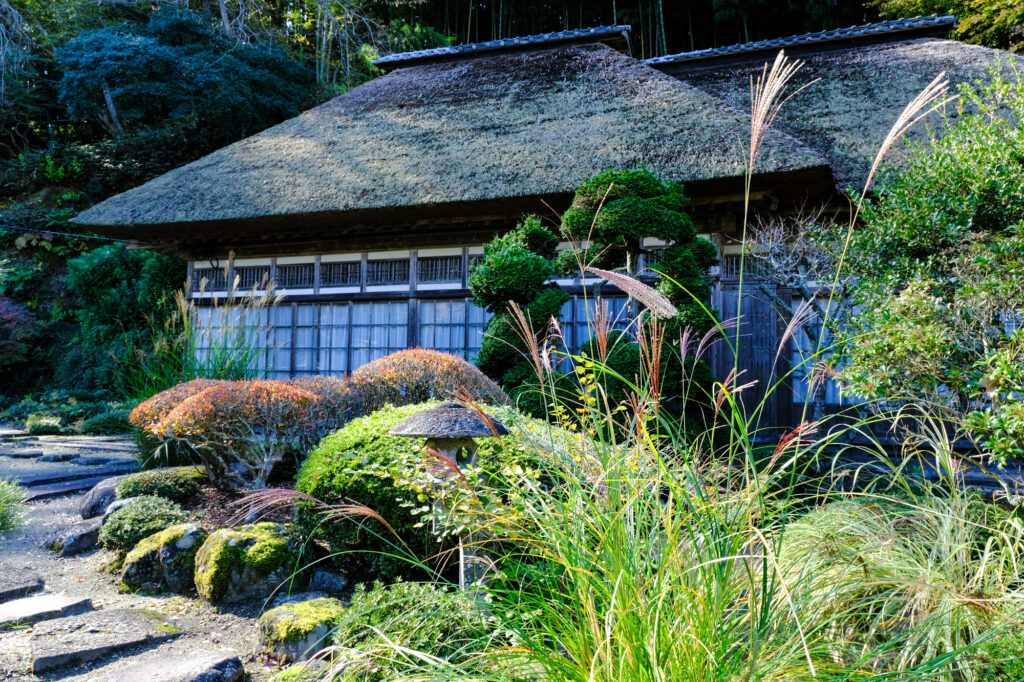
This extended stay is opening doors to what I call “Deep Japan.” Instead of just the “Golden Route” (Tokyo-Kyoto-Osaka), these travelers are heading to the craft villages of Ishikawa, the spiritual trails of the Kumano Kodo, and the hidden surf spots of Shikoku. They are seeking the “authentic” Japan that exists away from the bright lights, and they aren’t afraid to pay for the expertise of a local guide or a boutique stay in a renovated kominka (traditional farmhouse).
The Cultural Misconception: Is Japan Still “Expensive”?
One of the most common questions I get from readers back in the States is, “Can I still afford Japan?” The answer is a resounding yes, and the 2025 data proves it. Despite the record-breaking total spending, the average individual expenditure rose only 0.9% to 229,000 yen.
The secret? The weak yen has balanced out rising costs. For a traveler from the US or Europe, your coffee, your Shinkansen ticket, and your high-end sushi are likely cheaper now than they were five years ago. Japan is currently offering a “luxury for less” window that is hard to ignore.
My Insider Tip: Look for the “Gaps”
The 2025 boom has brought challenges, particularly “over-tourism” in spots like Kyoto’s Gion district. But here is the journalist’s secret: Japan is 70% mountains and has thousands of islands.
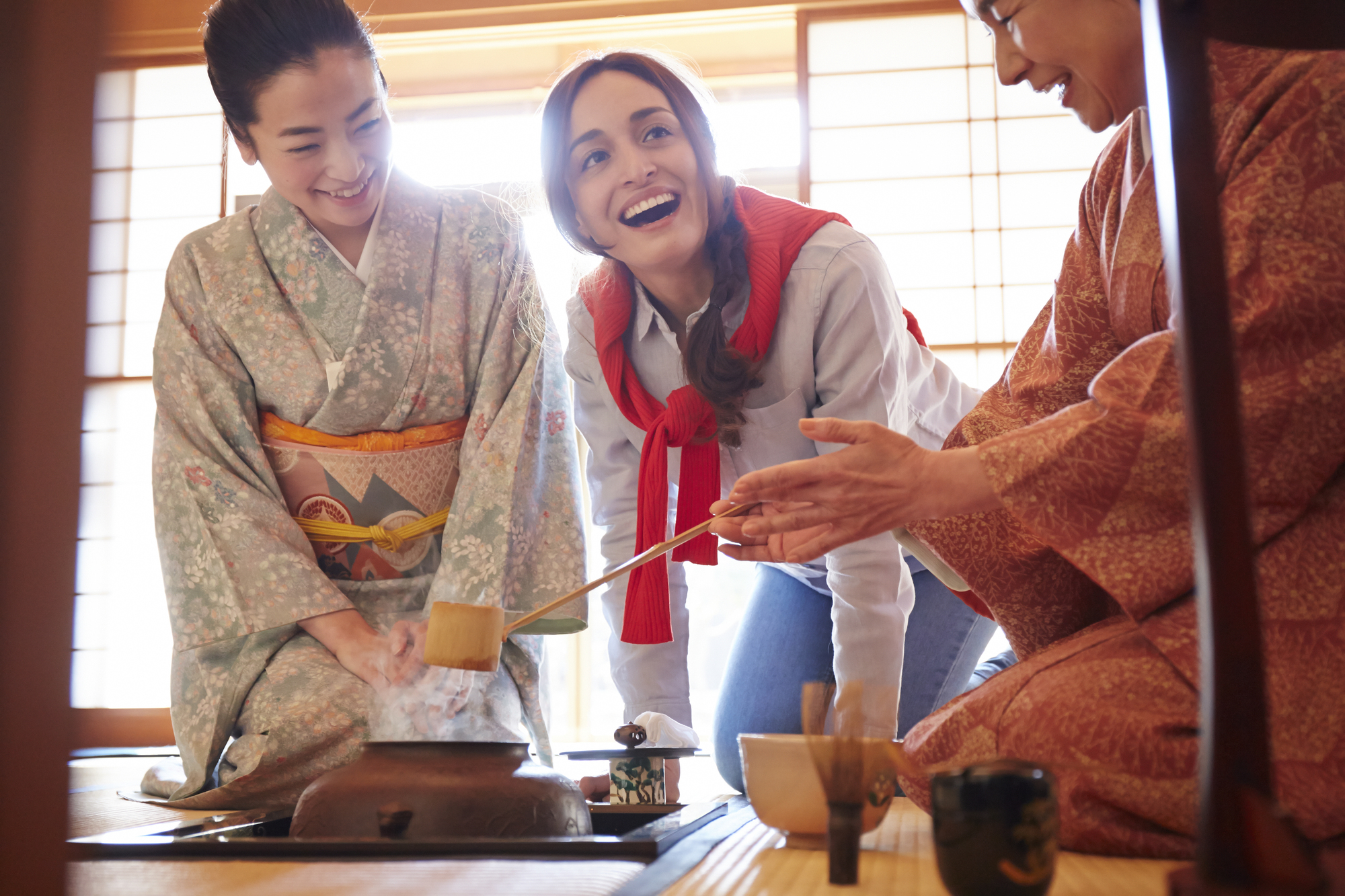
If you want to be part of the 9.5 trillion yen success story without the crowds, look at the spending trends for “Entertainment and Services.” Australians are leading here, spending heavily on unique experiences like backcountry skiing and local festivals. Follow their lead. Don’t just buy a souvenir; buy a memory of a tea ceremony in a village where you’re the only foreigner.
The Verdict: 2025 has proven that Japan is no longer a “once-in-a-lifetime” checklist destination. It has become a premium cultural playground where the most valuable currency isn’t just the yen—it’s the time you spend discovering the Japan that doesn’t make it onto the postcards.